What it is
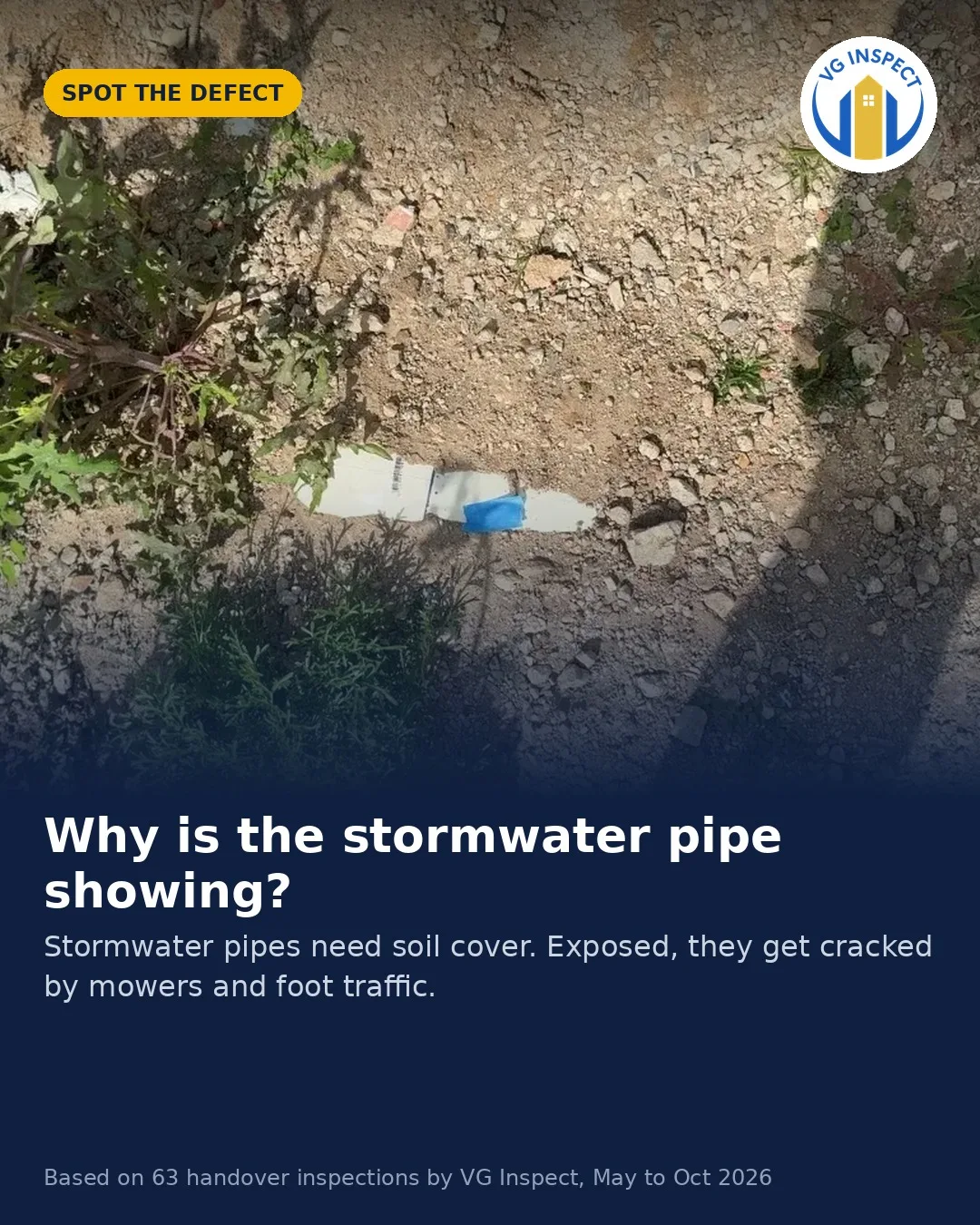
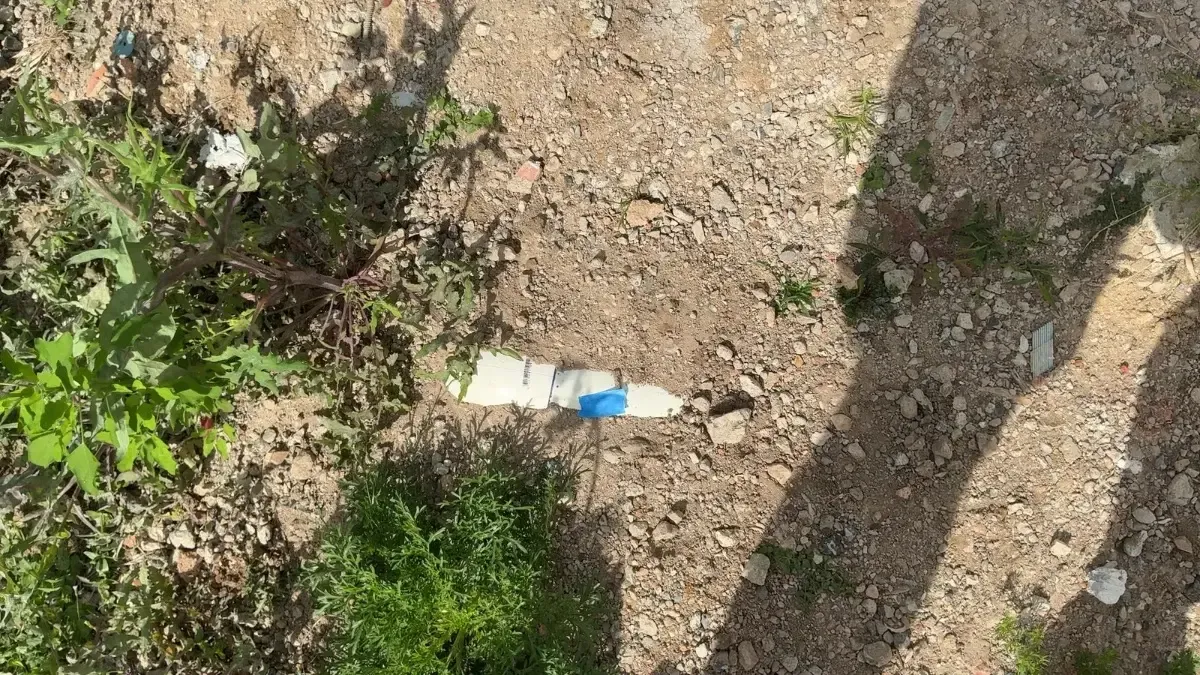
The stormwater pipe is showing at the surface instead of being buried.
Why it matters
Mowers and foot traffic crack it, which leads to blockages and water at the slab.
How we check it
We follow the downpipes and stormwater lines around the house.
The fix
Bury the pipe to the required depth.
How common it is
Downpipes or stormwater were incomplete or defective in 27% of homes at handover.
What this means for your home
Stormwater pipework that is left exposed, unsupported or not connected to the legal point of discharge will not survive the first season of mowing, foot traffic and heavy rain. The NCC and the QBCC guide require stormwater to be conveyed to an approved outlet, not spilled at the slab edge where it undermines the footing. At handover the fix is the plumber bedding, supporting or connecting the line while the trench is still open or the pipe still reachable. Afterwards it means lifting finished turf or paving to do the same work. We follow the stormwater from the downpipes to the discharge point, checking that pipes are supported, glued and actually connected, and photograph any run that is exposed, loose or stops short of where the water is supposed to go. The report follows the stormwater line in photographs from the downpipe to the discharge point, so any gap in the run is obvious. Drainage defects are deceptively expensive once the yard is finished, because fixing them means lifting turf and paving. Catching an unsupported or disconnected pipe at handover, while the plumber is still mobilised, keeps it a quick job rather than a landscaping tear-up. We also confirm the downpipes themselves are connected into the system rather than discharging straight onto the ground beside the slab, which is a common shortcut that undermines the footing over a couple of wet seasons.
As seen on our socials